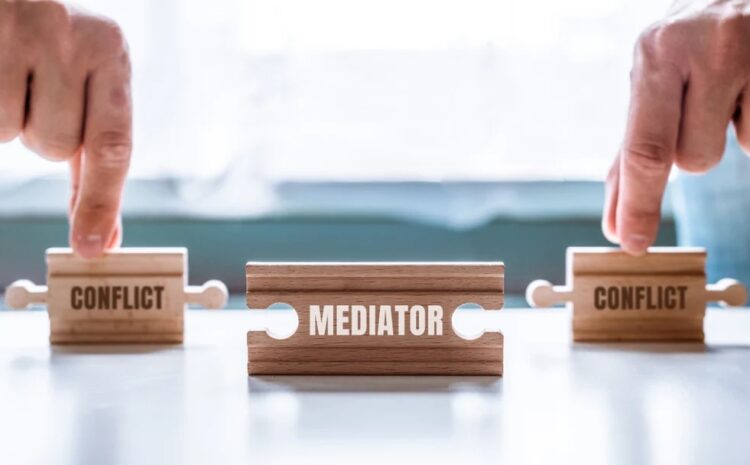
Mediation is one of the most common ways civil cases in California are resolved without going to trial. For many litigants, mediation offers a faster, less expensive, and more controlled path to resolution. Understanding how mediation works and how to prepare helps parties approach the process with confidence rather than uncertainty.
This overview explains what happens during mediation, the mediator’s role, and why preparation matters.
What Mediation Is and When It Occurs
Mediation is a voluntary or court ordered process where a neutral third party helps the sides attempt to resolve a dispute. Unlike a judge or jury, the mediator does not decide the outcome. The mediator’s role is to facilitate discussion and help the parties explore resolution.
Mediation can occur at many points in a case. Some mediations take place early, even before extensive discovery. Others happen later, after evidence has been exchanged and both sides better understand the strengths and risks of their positions.
The Mediator’s Role
The mediator is a neutral facilitator, not an advocate for either side. Their job is to guide negotiations, ask questions, and help parties evaluate potential outcomes. Mediators often meet with each side separately, moving back and forth to communicate offers and concerns.
While mediators may share observations or reality checks, they do not impose a decision. Any resolution reached is the result of agreement between the parties.
What Happens During Mediation
Mediation usually begins with a joint session or opening statements, though some mediators skip this step. The process then moves into private sessions, often called caucuses, where each side speaks confidentially with the mediator.
Throughout the day, the mediator carries information between the parties, helps clarify positions, and works to narrow the gap. Mediation may last a few hours or an entire day depending on the complexity of the case and the willingness of the parties to negotiate.
Confidentiality in Mediation
One of the key features of mediation is confidentiality. Statements made during mediation generally cannot be used later in court. This allows parties to speak more freely, explore settlement options, and make proposals without fear that those discussions will be used against them.
Confidentiality encourages candid conversation and often helps break impasses that would be difficult to resolve in a courtroom setting.
Preparing for Mediation
Preparation is critical to a successful mediation. Parties should understand the facts of their case, the evidence available, and the realistic range of outcomes if the case proceeds. This includes considering the costs, time, and uncertainty associated with trial.
Effective preparation also involves identifying priorities and acceptable resolutions. Mediation is not about winning every point. It is about reaching an outcome that addresses risk and allows the parties to move forward.
Negotiation Strategy and Expectations
Mediation is a negotiation, not a trial. Strong positions are important, but flexibility often leads to resolution. Offers and counteroffers are common, and movement typically occurs gradually.
It is normal for mediation to feel uncomfortable at times. Emotions can run high, and progress may seem slow. Understanding that this is part of the process helps parties remain focused and patient.
Why Mediation Often Resolves Cases
Mediation frequently resolves cases because it gives parties control over the outcome. Rather than placing the decision in the hands of a judge or jury, the parties decide whether an agreement makes sense.
Resolving a case through mediation often saves time, reduces legal expenses, and avoids the uncertainty of trial. Even when a case does not settle immediately, mediation can clarify issues and move negotiations forward.
The Value of Legal Guidance
While mediation is less formal than trial, legal guidance remains important. Counsel helps prepare for mediation, evaluate proposals, and ensure that any agreement is properly documented.
With preparation and informed participation, mediation can be an effective tool for resolving civil disputes efficiently and thoughtfully.