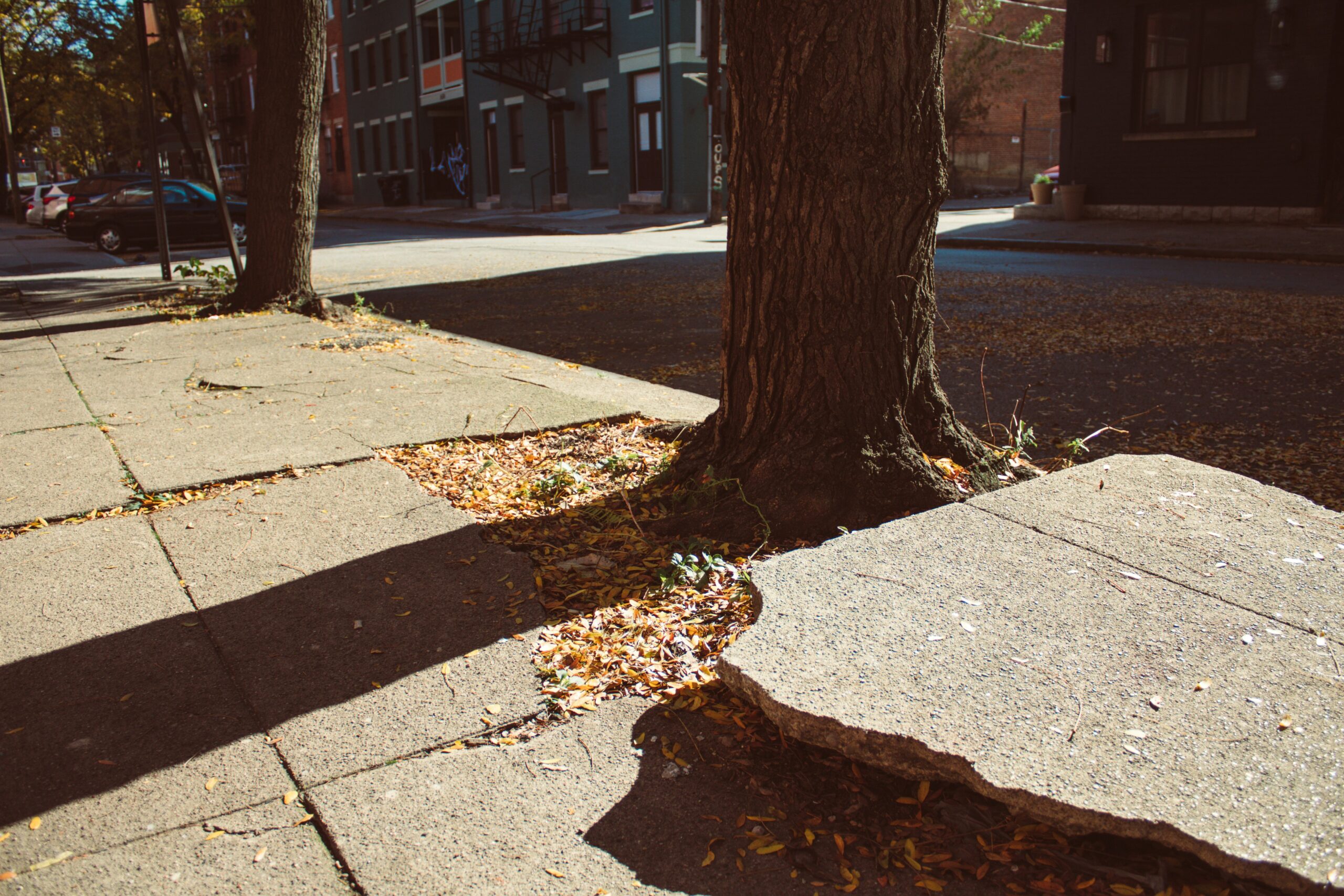
Property owners and public entities in California may be responsible for injuries caused by dangerous conditions on their premises. However, not every crack, uneven surface, or minor imperfection creates a legally actionable hazard.
The trivial defect doctrine addresses when a physical irregularity is too minor to support a premises liability claim. Courts examine the size and characteristics of the defect, surrounding conditions, and whether the alleged danger presented a substantial risk of injury.
Understanding the Trivial Defect Doctrine
The trivial defect doctrine recognizes that property owners and public entities cannot reasonably be expected to maintain every walking surface in perfect condition. Minor irregularities are common, and their existence alone does not necessarily establish negligence or a dangerous condition.
California courts use the doctrine to determine whether an alleged defect is sufficiently significant to support liability. The analysis considers whether the condition presented a substantial risk of injury when the property was used with due care in a reasonably foreseeable manner.
Examining the Size of the Defect
Courts often begin by examining the dimensions of the alleged defect, particularly when a claim involves an uneven sidewalk, walkway, or other pedestrian surface. Measurements, photographs, and descriptions of the condition may help establish its physical characteristics.
Although the height or depth of an irregularity is important, California law does not establish a single measurement that automatically determines whether every defect is trivial. Courts evaluate the dimensions alongside other circumstances that may increase or reduce the danger.
Considering Surrounding Conditions
A relatively small defect may present a greater hazard when combined with additional circumstances. Poor lighting, obstructed visibility, uneven edges, debris, or other environmental factors may influence whether a condition was reasonably dangerous.
Courts examine the surrounding conditions as they existed at the time of the incident. These circumstances help determine whether an otherwise minor irregularity created a meaningful risk for people using the property in a foreseeable manner.
Evaluating the Nature of the Surface
The physical characteristics of a walkway or other surface may affect how courts evaluate an alleged defect. A smooth elevation change may present different concerns from a jagged crack, broken pavement, or irregular surface that creates an unexpected obstruction.
Courts may consider the defect’s shape, location, and relationship to normal pedestrian movement. These details can help establish whether the condition was merely an ordinary surface imperfection or a hazard requiring corrective action.
Reviewing Evidence of the Alleged Hazard
Photographs, measurements, inspection records, and witness testimony may help courts assess the seriousness of an alleged defect. Evidence concerning the condition’s appearance and surrounding environment can be particularly important when the physical irregularity is relatively small.
Courts may also consider prior incidents or complaints when evaluating relevant circumstances, although the absence of previous accidents does not automatically establish that a condition was safe. The evidence must support a determination about the actual risk presented by the defect.
Determining Whether Liability May Exist
California courts may determine that a defect is trivial as a matter of law when the evidence does not support finding a substantial risk of injury. In those circumstances, a premises liability claim may be resolved without requiring a jury to decide whether the condition was dangerous.
When the defect and surrounding circumstances support a finding of a dangerous condition, the claim may proceed to consideration of other liability requirements. Courts then evaluate applicable duties, notice requirements, causation, and damages to determine whether legal responsibility exists.